Picture this: you’re advising a small-business client on a device package — five lines, unlocked mid-range Android phones, and they want earbuds bundled in under $100 each. Or maybe it’s simpler: you’re replacing your own daily drivers and don’t want to pay $249 for AirPods Pro when you spend most of your day on calls and podcasts, not audiophile listening sessions. Either way, the sub-$100 true wireless earbud market has quietly gotten very good — and very confusing. “True wireless” just means no wire connecting the two earbuds to each other; each bud connects independently to your phone via Bluetooth (the short-range radio standard built into every modern smartphone). At this price tier, you’re no longer choosing between “good enough” and “not good enough.” You’re making real tradeoffs between active noise cancellation (ANC — hardware and software that actively blocks ambient sound), battery life, ecosystem lock-in, and call quality. This guide maps those tradeoffs so you can walk into — or recommend — the right decision.
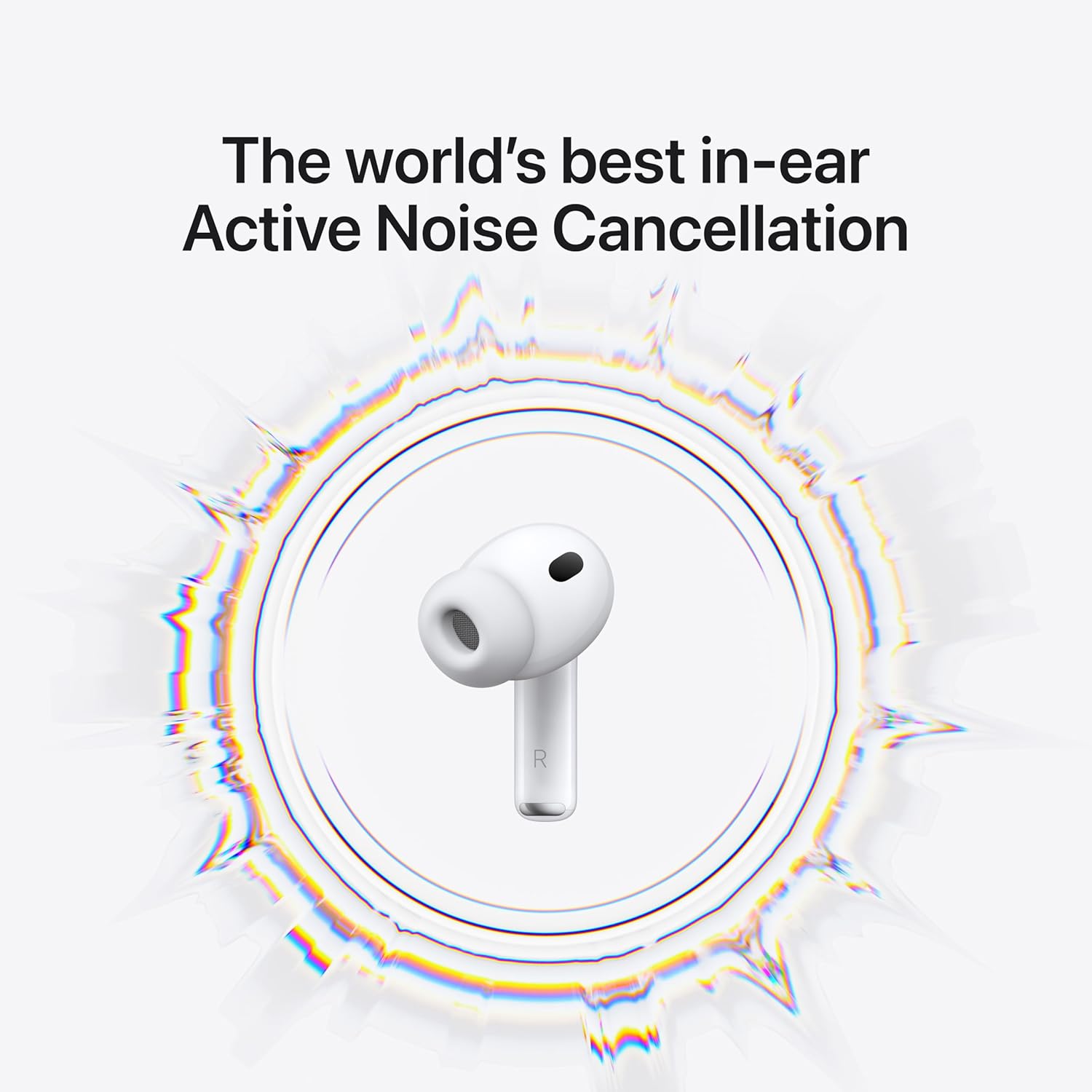
| EDITOR'S PICK[Apple AirPods 4 Wireless Earbuds](https://www.amazon.com/dp/B0DGHMNQ5Z?tag=greenflower20-20) | Mid-tierJBL Tune Buds - True wireless N… | Budget pickJBL Tune Buds - True wireless N… | |
|---|---|---|---|
| Active noise cancel | ✗ | ✓ | ✓ |
| Battery life (total) | 30 hours | 48 hours | 48 hours |
| Water resistance | — | ✓ | ✓ |
| Spatial audio | ✓ | ✗ | ✗ |
| Price | $99.99 | $59.95 | $59.95 |
| See on Amazon → | See on Amazon → | See on Amazon → |
The Three Brands Actually Worth Comparing at This Price
Before diving into specs, let’s define the competitive field honestly. At under $100 in mid-2026, the brands producing consistently reviewed, widely available options are Anker (through its Soundcore sub-brand), JBL, and Apple — with Apple’s entry being the second-generation AirPods (not the Pro model, which sits well above this ceiling). Samsung’s Galaxy Buds FE occasionally dips into this range on sale, and Sony’s LinkBuds S has been spotted near $80 during promotional windows, but neither holds a stable price position here the way the three core brands do.
Anker Soundcore Liberty 4 NC — typically $79–$89 at retail. JBL Tune Flex — typically $69–$79 at retail, occasionally $49 on sale. Apple AirPods (2nd Gen) — typically $89–$99, frequently $79 on sale.
These aren’t the only options, but they’re the ones where published review consensus is deep enough to make confident recommendations. Wirecutter’s budget earbud roundup, Tom’s Guide’s cheap wireless earbud list, and CNET’s sub-$100 picks have all cycled through these products repeatedly, giving us aggregated signal rather than a single snapshot.
By the Numbers
| Brand / Model | ANC? | Battery (buds only) | Bluetooth Version | Mic Quality (call rating) | Price (typical, May 2026) |
|---|---|---|---|---|---|
| Anker Soundcore Liberty 4 NC | Yes (strong for price) | ~10 hrs | 5.3 | Good | ~$79–$89 |
| JBL Tune Flex | No | ~8 hrs | 5.2 | Adequate | ~$69–$79 |
| Apple AirPods (2nd Gen) | No | ~5 hrs | 5.0 | Excellent | ~$89–$99 |
Sources: manufacturer spec sheets; Tom’s Guide and PCMag published testing data.
Where Anker Actually Wins (and Where It Doesn’t)
Anker’s Soundcore Liberty 4 NC is the clearest overachiever in this comparison. The headline feature — active noise cancellation — is the one capability that genuinely costs money to implement well, and most sub-$100 products that claim ANC deliver something closer to “mild ambient muffling.” The Liberty 4 NC is a documented exception. Reviewers at The Verge and Tom’s Guide have consistently flagged it as one of the few budget earbuds where ANC is worth enabling rather than ignoring. That matters for a specific buyer: someone working in open offices, commuting on public transit, or taking calls from noisy environments who would otherwise need to spend $180–$250 to get functional noise blocking.
The tradeoff is ecosystem neutrality — which is actually a feature if you’re recommending these for a mixed Android/iOS environment or for users who switch phones frequently. The Soundcore app works on both platforms. Bluetooth 5.3 (the current-generation Bluetooth standard, which handles multi-device pairing and connection stability better than older versions) means these buds can stay paired to two devices simultaneously and switch between them without the manual disconnecting-and-reconnecting that plagued earlier budget buds.
Where Anker loses ground: call quality on the microphone side is competent but not a differentiator. Across aggregated reviews, the pattern is that voice pickup is clear in quiet environments and adequate in mild wind, but it doesn’t hold up to Apple’s implementation in genuinely noisy settings. If call quality is the primary use case — sales reps, customer-facing roles — this is a meaningful gap.
Build quality is another honest caveat. Owners frequently report that the plastic case feels noticeably lighter and less premium than JBL’s or Apple’s equivalents. For personal use, that’s aesthetic. For a business bundling these into a device package that needs to survive 18–24 months of daily use, it’s worth noting.
Where JBL’s Tune Flex Fits (and Where It Falls Short)
JBL’s Tune Flex occupies an interesting position: it’s the most affordable of the three on a reliable basis, it has no ANC, and yet it consistently receives strong marks for sound quality relative to price. The open-fit design (meaning the earbud tip doesn’t create a sealed ear canal — it rests in the outer ear rather than plugging in) is a deliberate choice rather than a cost cut. For users who want to stay aware of their environment — running outdoors, working a retail floor, desk jobs where colleagues need to grab your attention — an open-fit design is genuinely preferable to anything with ANC.
CNET’s budget earbud guide and PCMag’s picks both note that the Tune Flex delivers JBL’s well-regarded “live” sound signature (emphasizing bass and vocal presence) at a price point where competing brands are still figuring out driver tuning. Owners consistently report satisfaction with music listening as a primary use case.
The honest limitation is call performance. The mic array on the Tune Flex is adequate for occasional calls but not optimized for frequent voice communication. The absence of ANC is also a real constraint if the buyer’s environment is loud — open-fit earbuds pass ambient noise through by design, so what you’re trading is situational awareness for noise isolation.
Battery life is competitive at approximately 8 hours per charge (from the buds alone, before drawing on the case), and the IP54 rating (a standardized water/dust resistance rating — “IP” stands for Ingress Protection, the “5” means protected against water jets, the “4” means protected against solid particles above 1mm) makes it a reasonable choice for active use.
Decision frame for JBL: If the primary use is music listening in low-to-moderate noise environments, and call quality is secondary, this is the value leader in the group. If noise cancellation or frequent calls matter, it doesn’t compete.
Where Apple’s AirPods (2nd Gen) Earns Its Place
Apple’s second-generation AirPods are a strange product in 2026: they have no ANC, they use an older Bluetooth 5.0 chipset, their battery life (approximately 5 hours per charge) is the shortest in this comparison, and they still regularly sell at the top of this price tier. By raw spec comparison, the case for them is weak.
And yet they’re consistently recommended, including by Wirecutter’s budget earbud team and Tom’s Guide reviewers, for a specific buyer: anyone living primarily in Apple’s ecosystem.
The reason is integration depth. AirPods pair to an iPhone in under three seconds via a tap, appear instantly across all devices on the same Apple ID (iCloud account), and enable Siri (Apple’s voice assistant) hands-free without a button press. The microphone quality — the component that makes calls sound like calls rather than a phone on speaker — is consistently rated among the best in this tier across published reviews. PCMag’s budget earbud roundup specifically calls out call clarity as an AirPods strength even versus earbuds that cost more.
For a small-business owner or remote-work professional whose entire workflow runs through an iPhone, MacBook, and iPad, the AirPods integration isn’t a convenience feature — it’s a productivity multiplier. The buds switch between devices based on where audio is playing. Calls route automatically. There’s no setup friction.
The tradeoff is clear: you’re paying near-top-of-category prices for short battery life, no ANC, and a product that delivers its value almost entirely inside Apple’s walls. If the buyer has an Android device, a Windows laptop, or tends to switch platforms, the value proposition collapses quickly.
The Decision Rules
Here’s how to frame the choice, whether you’re making it for yourself or advising someone else:
If the environment is loud (transit, open office, shared workspace) and budget is $80–$90: Anker Soundcore Liberty 4 NC. The ANC is functional, the ecosystem neutrality is a plus for mixed-device environments, and the price-to-capability ratio is genuinely hard to beat. It’s the one this analysis would reach for in a corporate bundle scenario.
If the primary use is music listening in moderate noise with occasional calls, and the budget needs to stay at $70 or below: JBL Tune Flex. The sound quality is real, the open-fit design suits active or situationally-aware users, and the sale pricing makes it a legitimate value.
If the buyer is fully inside Apple’s ecosystem and makes frequent voice calls: AirPods (2nd Gen). The call quality and seamless device-switching justify the spec disadvantages for this specific profile. For anyone outside Apple’s ecosystem, this recommendation flips immediately — don’t pay the Apple premium for Android compatibility.
If the buyer is split between Android and iPhone, or expects to switch devices in the next 12 months: Default to Anker. Ecosystem lock-in at $89 is a bet on your current platform staying stable — a bet that’s riskier than it sounds when carrier upgrade cycles and employer-issued devices are in the picture.
One note on longevity that often gets missed: all three products in this comparison lack user-replaceable batteries. Lithium-ion (rechargeable battery) cells in true wireless earbuds typically degrade meaningfully after 18–24 months of daily use, reducing effective listening time. At the $70–$100 price point, most buyers treat these as 2-year products rather than long-term investments — and that’s a reasonable mental model. Plan accordingly if you’re making a business purchasing recommendation that needs to align with device refresh cycles.
The sub-$100 earbud market is more competitive than the headline prices suggest. The right answer depends less on which brand has the better spec sheet and more on which tradeoff set the buyer can actually live with.